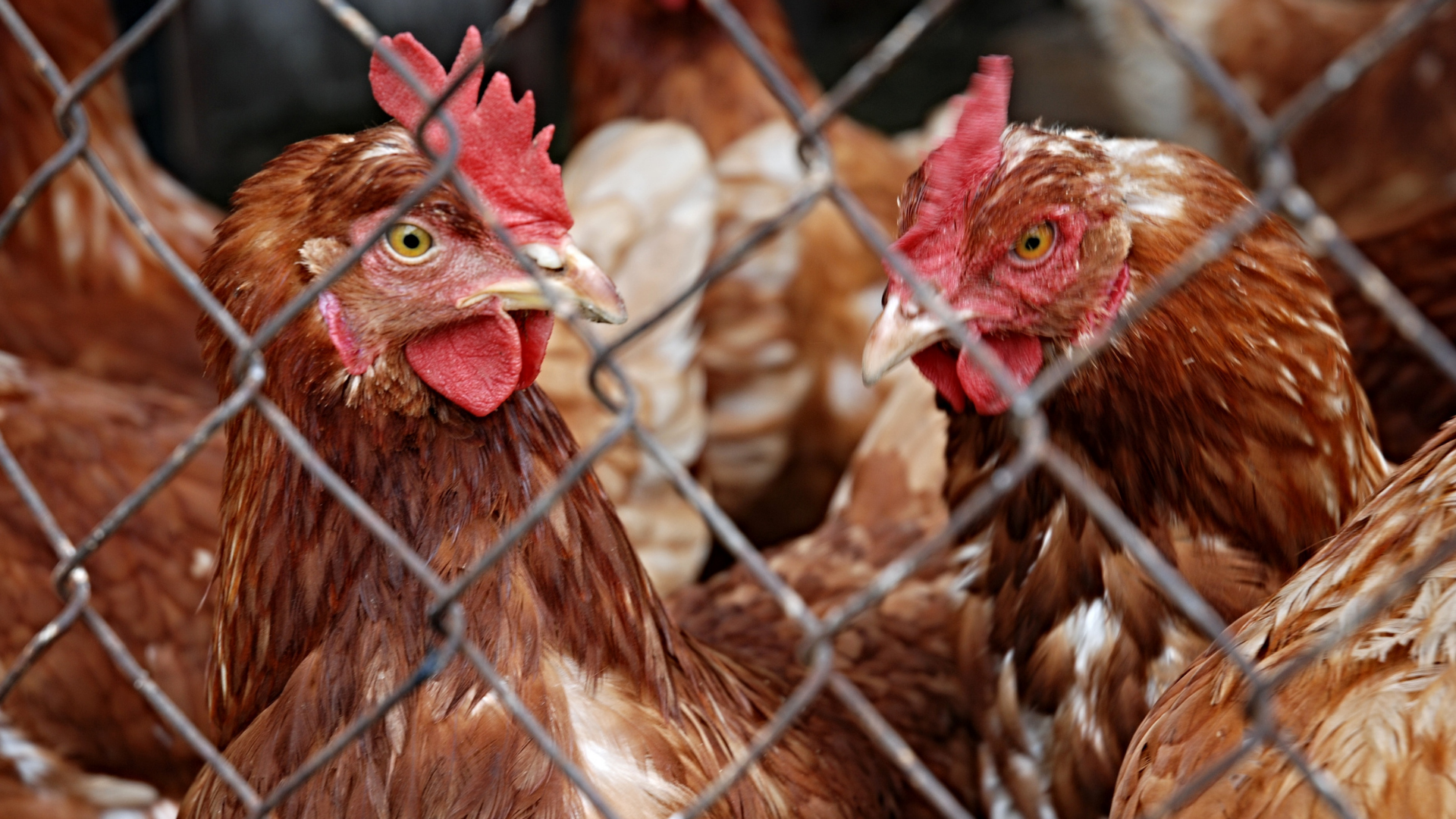
Food-producing animals can carry bacteria resistant to antibiotics that are critically important for human health. Although person-to-person contact is the primary route of antimicrobial resistance (AMR) transmission in communities, food preparation and consumption can also contribute to its spread.
Conducted as part of the ICARS-supported ENVIRE project, this study examined 71 meat samples collected in Tunisia’s Sousse region in 2024. No bacteria resistant to carbapenems were detected. However, 64.8% of samples contained Enterobacterales resistant to extended-spectrum cephalosporins, with chicken showing the highest contamination rate at 80%. The most frequently identified bacteria were Escherichia coli, Klebsiella pneumoniae and Enterobacter hormaechei. Most carried CTX-M-type resistance genes.
The isolates were genetically diverse, although several clones of zoonotic or One Health importance indicated possible clonal transmission. Plasmids also contributed to the spread of resistance genes. The findings highlight the need for stronger AMR surveillance and effective implementation of Tunisia’s National Action Plan in the veterinary and food-production sectors.